Learn. Understand. Keep a note.
From materials engineering to digital tools. A quiet space for making sense of things.

Read Stainless Steel 304 and 316 Markings: Check Composition and Usage Environment
If a product description lists "304 stainless steel" or "316 stainless steel," it is easy to immediately compare wh
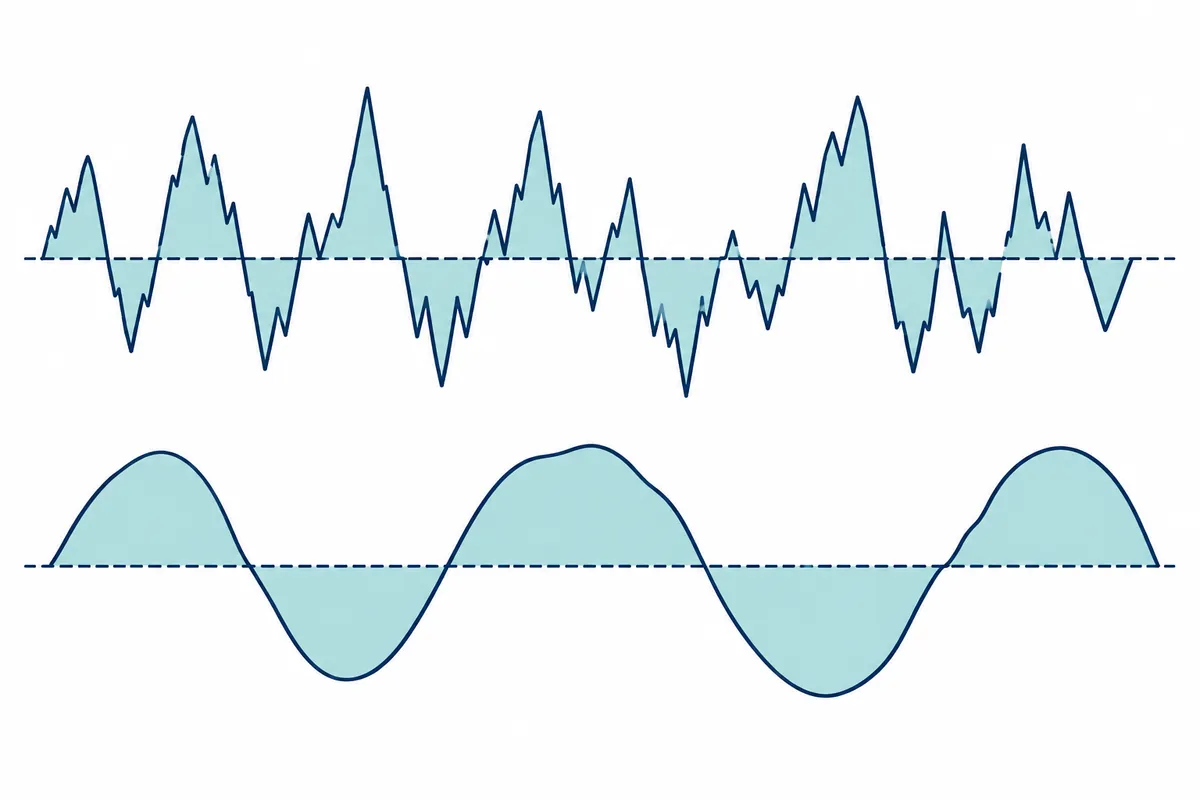
Reading Surface Roughness Ra: Why Measurement Length and Direction Matter
Key takeaway: Ra is the average of the absolute height deviations of the evaluated profile. When comparing values,

Understanding Stress Concentration: The Effects of Holes and Corners
Key point: Even with the same average stress, local stress can increase around holes and changes in geometry. Read
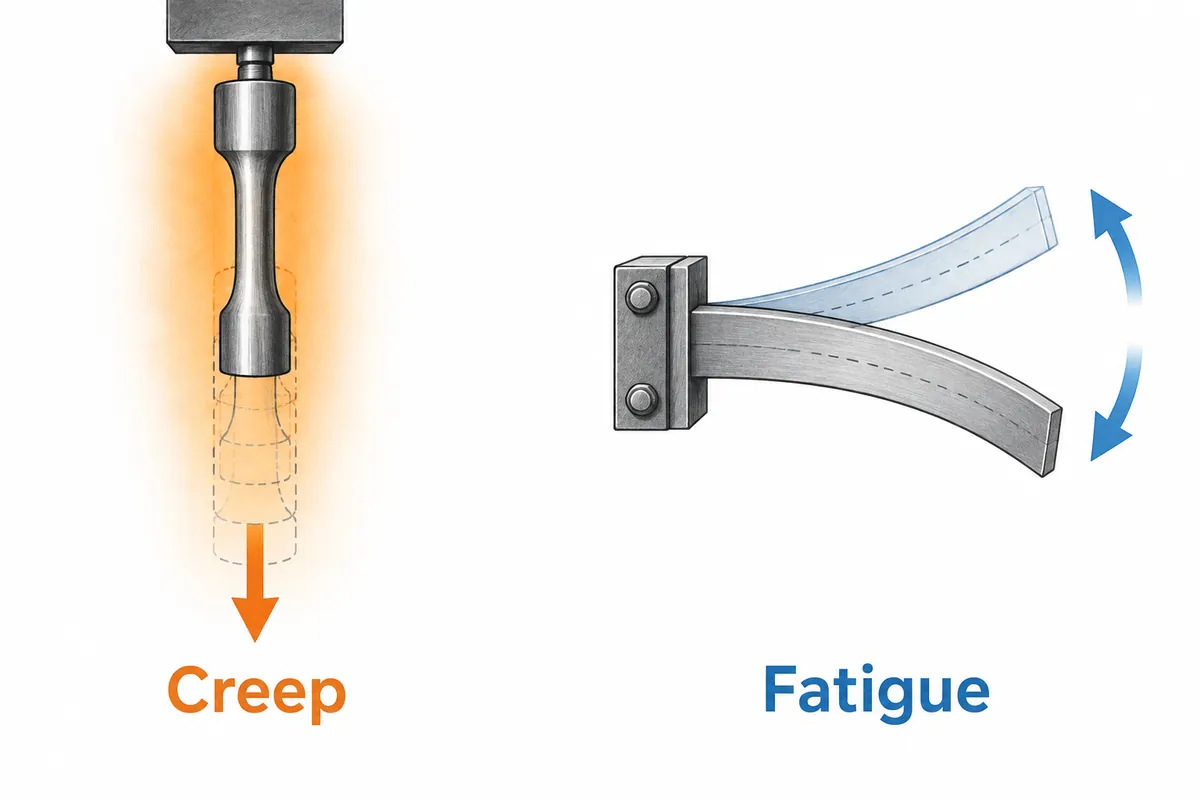
Creep Versus Fatigue: Comparing Time, Temperature, and Repeated Loading
Key point: Creep concerns deformation that progresses with time under load; fatigue concerns damage associated with
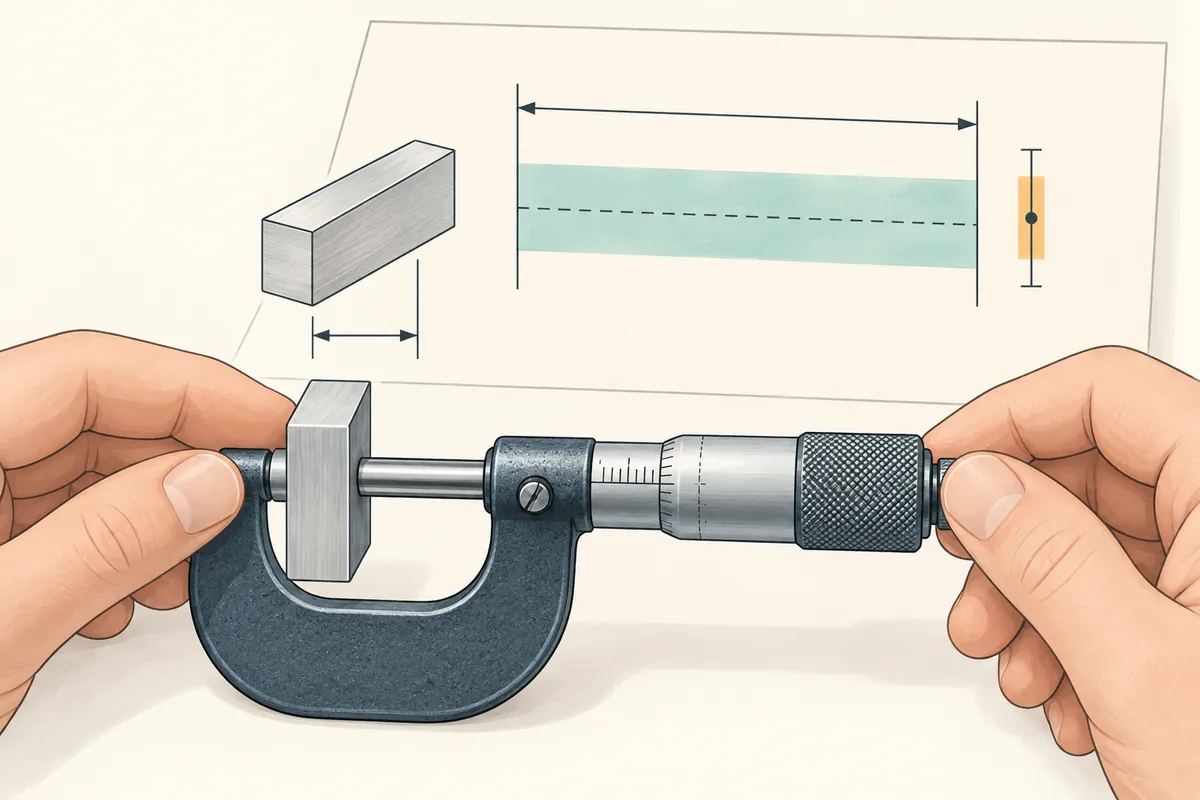
Nominal Values Versus Actual Measurements: Reading Tolerances
Key point: A nominal value provides a basis for selection or design; read the permitted range and actual measuremen
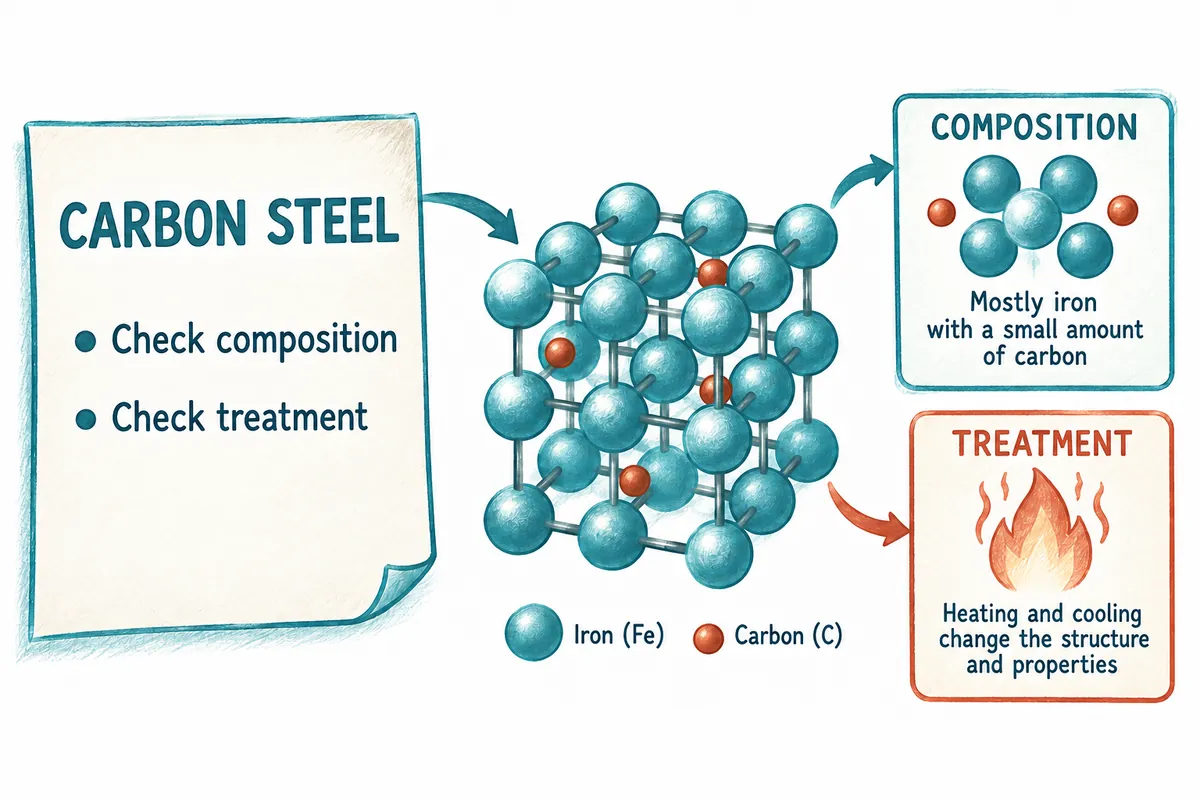
Reading Carbon-Steel Designations: Carbon Content and Heat-Treatment Conditions
A steel-grade name in a component's material field can make it seem that every mechanical property is determined. H
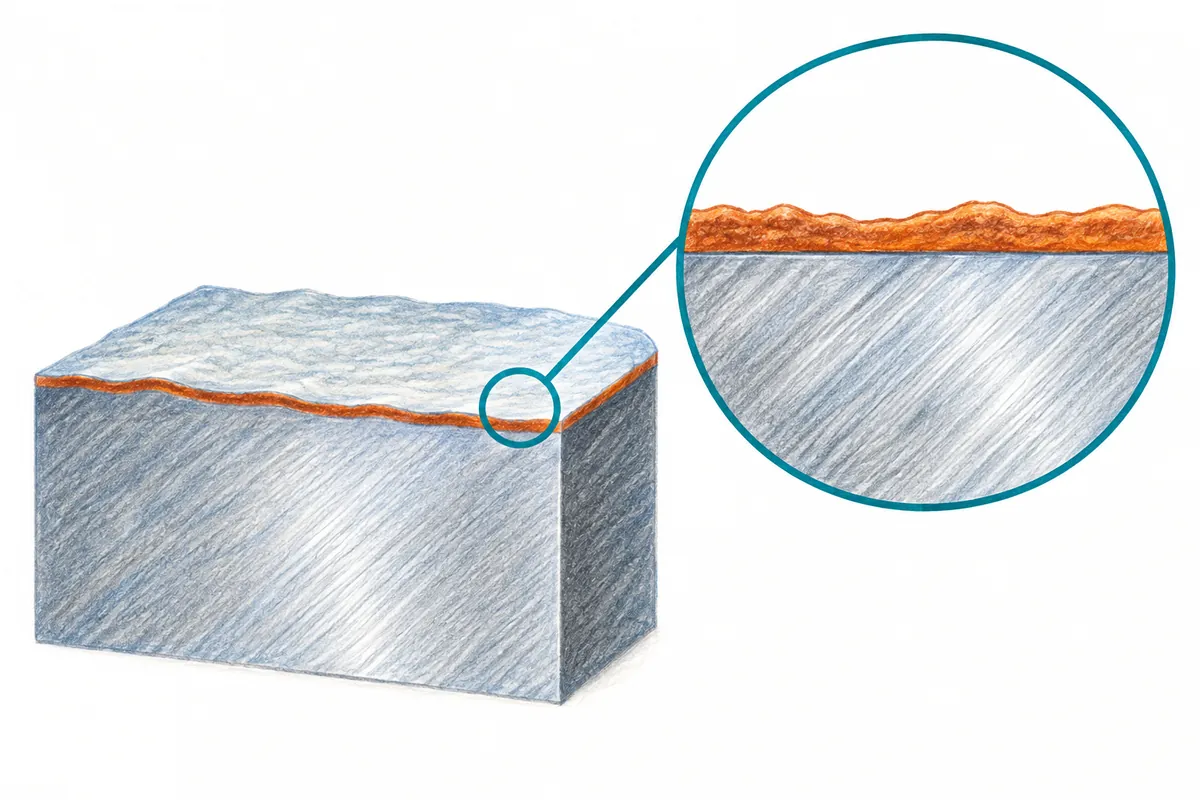
Understanding Aluminum Oxide Films: Corrosion and Surface Treatment
Aluminum products are often described as both having an oxide film and having surface treatment. Oxide on a surface
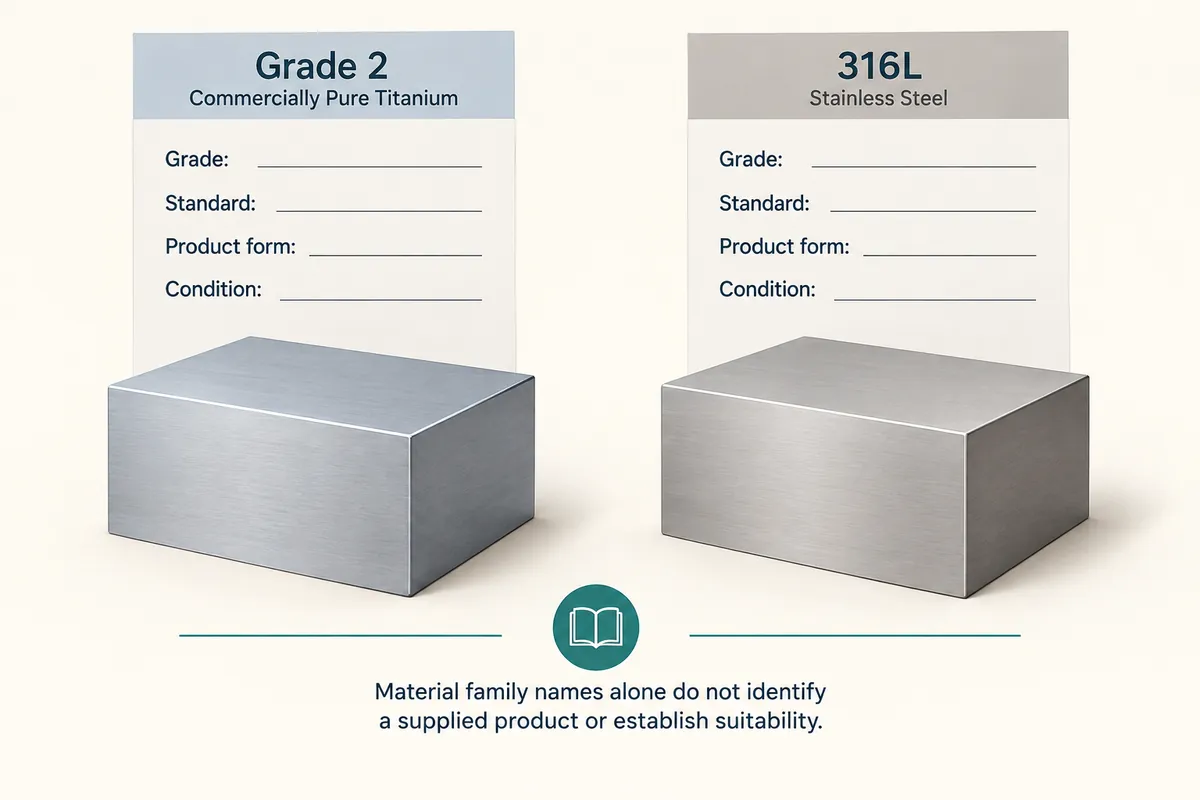
Before Comparing Titanium and Stainless Steel: Reading Grade 2 and 316L Designations and Property Data
Descriptions such as “Titanium is light” or “Stainless steel does not rust” are insufficient for choosing a materia
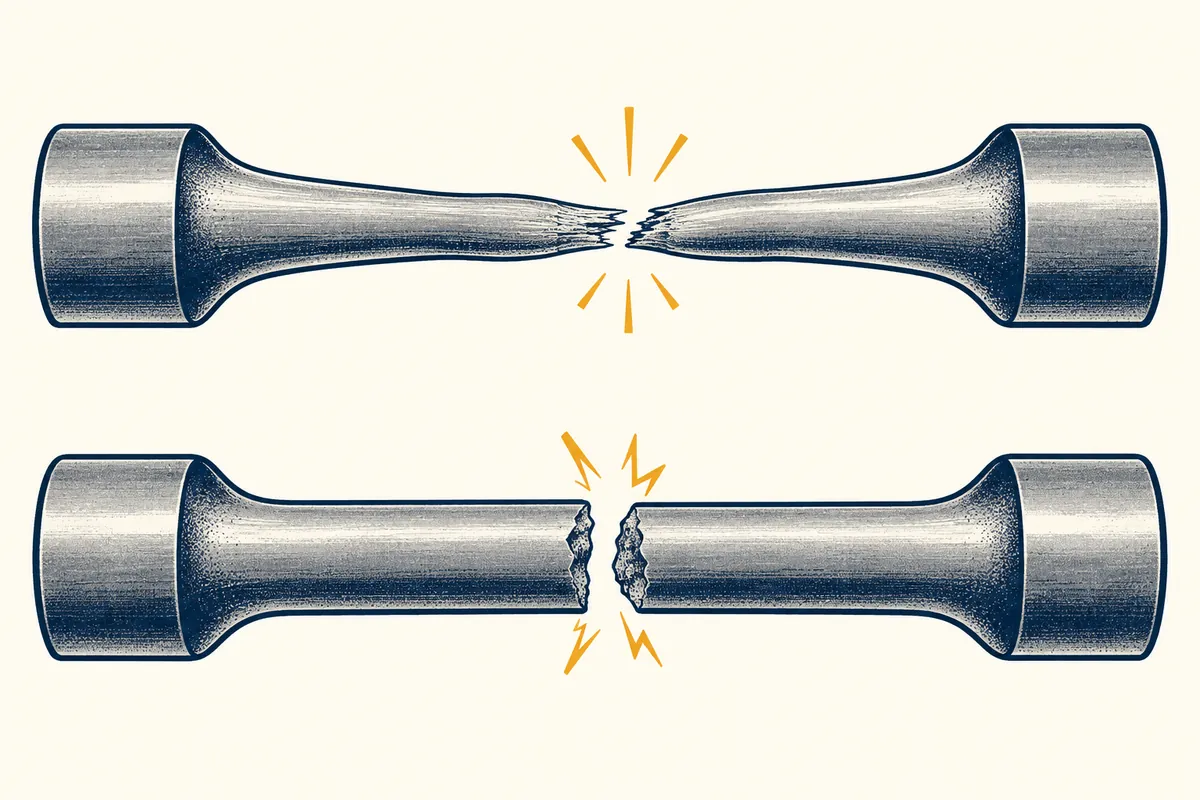
What Is Brittleness? Differences from Toughness and Ductility, and Interpreting Charpy Tests
Brittleness means little plastic deformation before fracture; toughness is the ability to absorb energy until fract
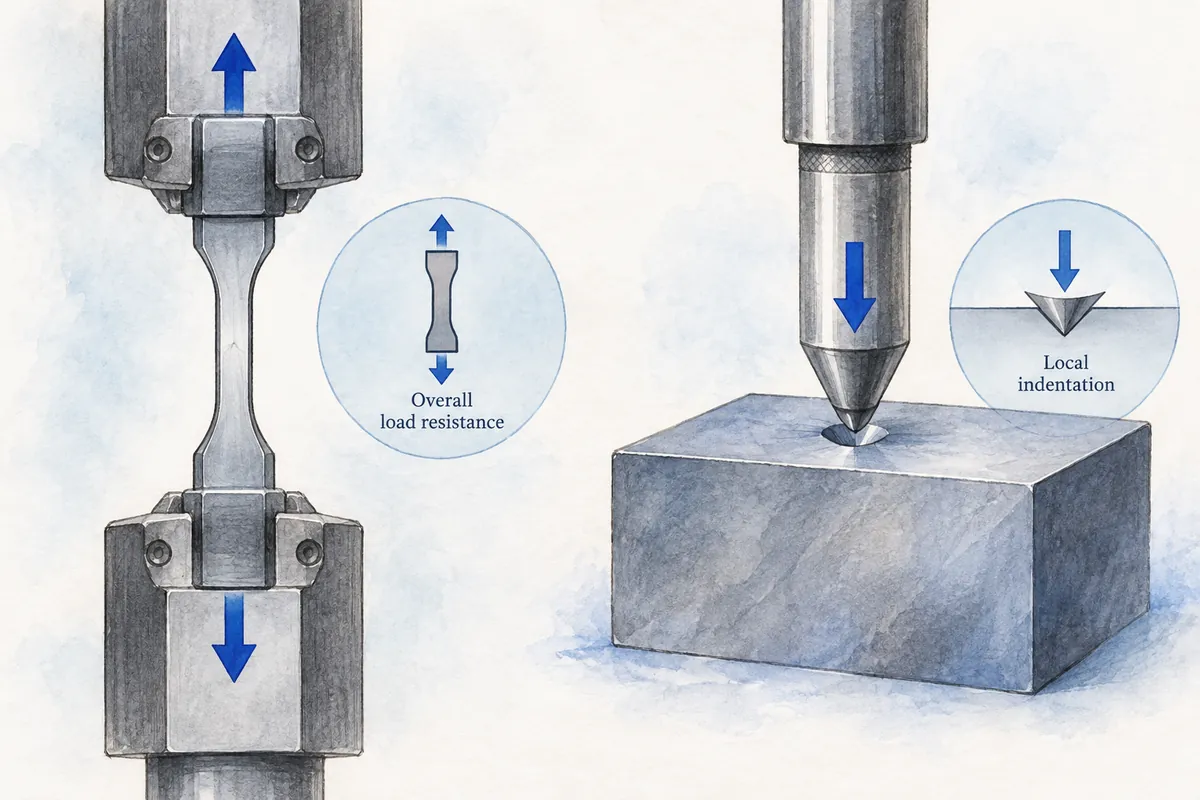
Material Strength and Hardness: Differences and Measurement Methods
In materials and mechanical engineering, strength and hardness are among the most important physical properties and
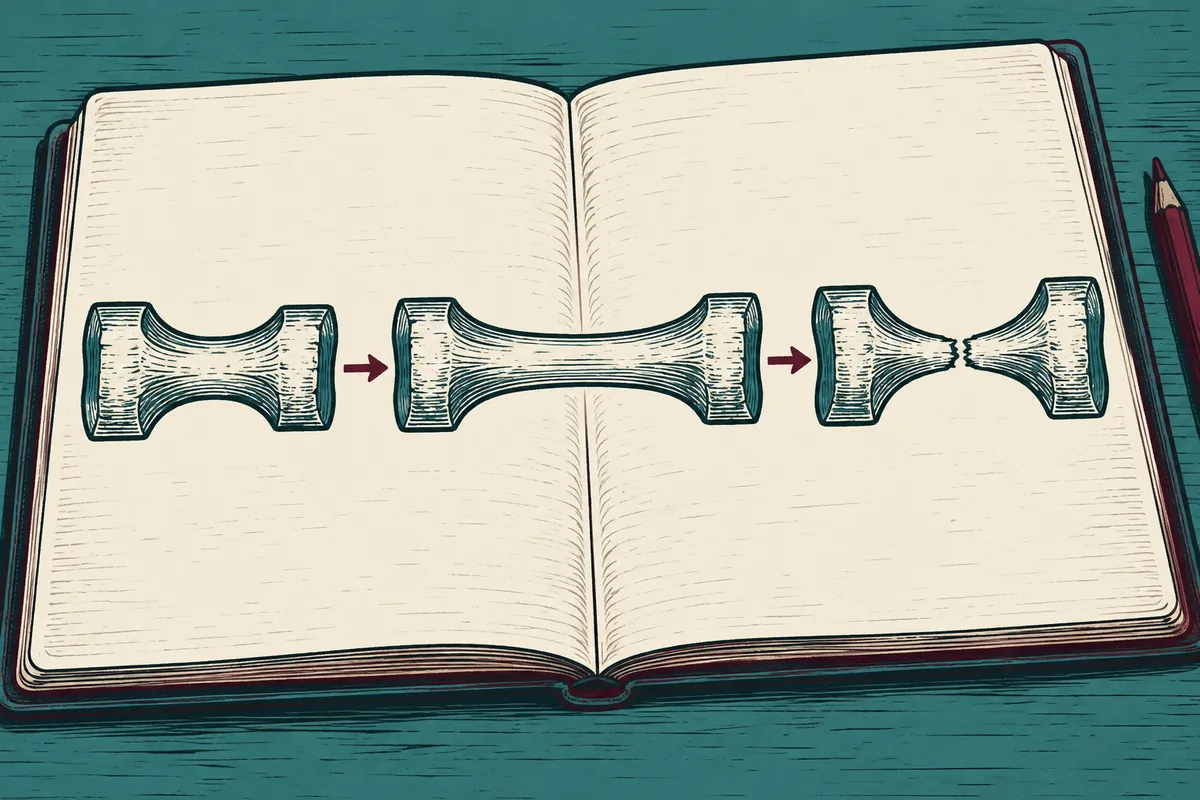
Evaluating Material Ductility and Brittleness: An In-Depth Look at Tensile and Impact Tests
1. Introduction Material ductility and brittleness are important mechanical properties in engineering design and pr
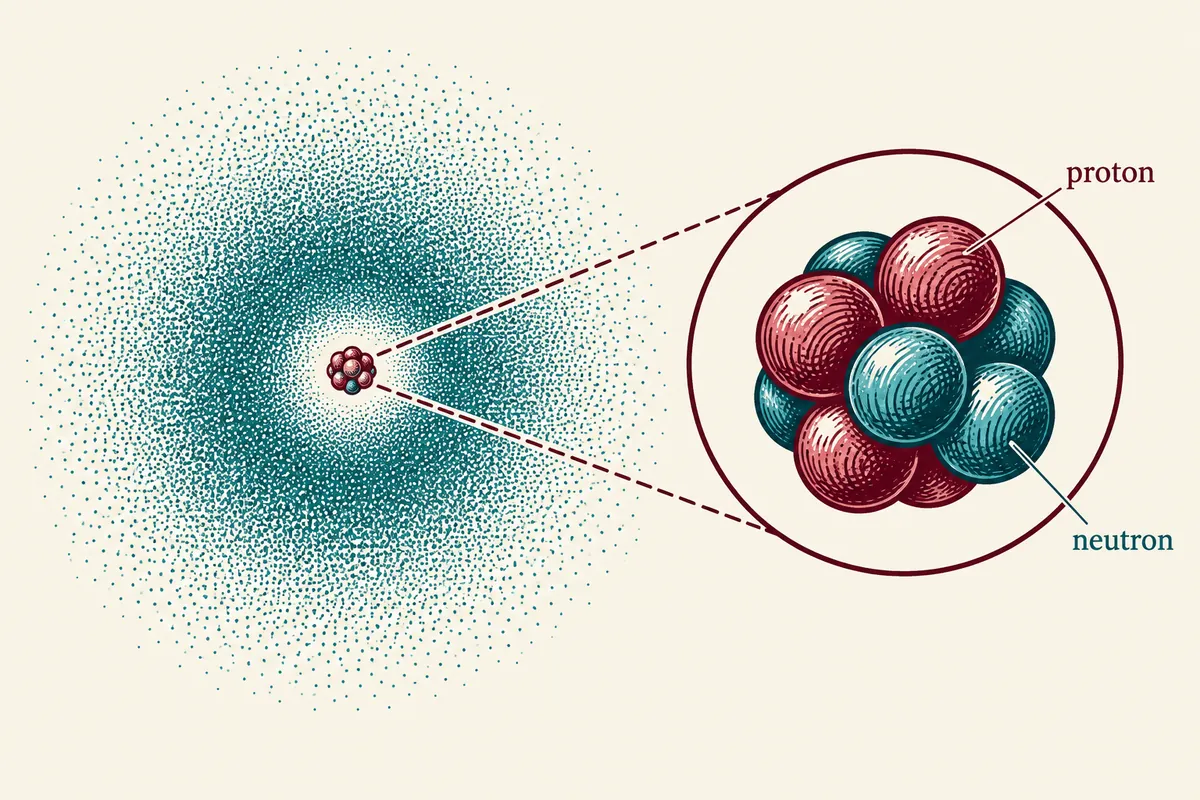
Atomic Structure of Materials and Atomic Bonding in Solids
1. Atomic Structure All matter consists of atoms, the basic units making everything around us, like Lego blocks. Th
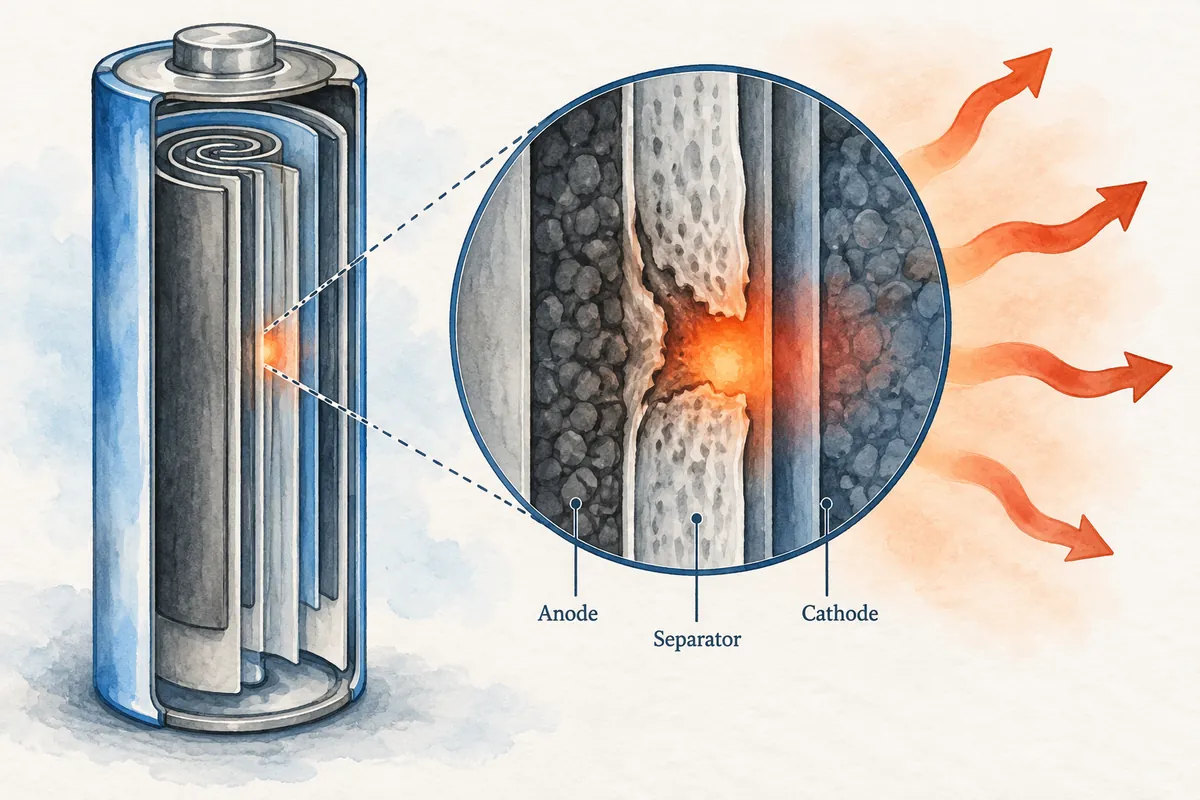
Battery Materials: Thermal Runaway, Its Causes, and Mechanisms
Hello. In this post, we will examine thermal runaway, which has recently attracted attention as a safety issue for
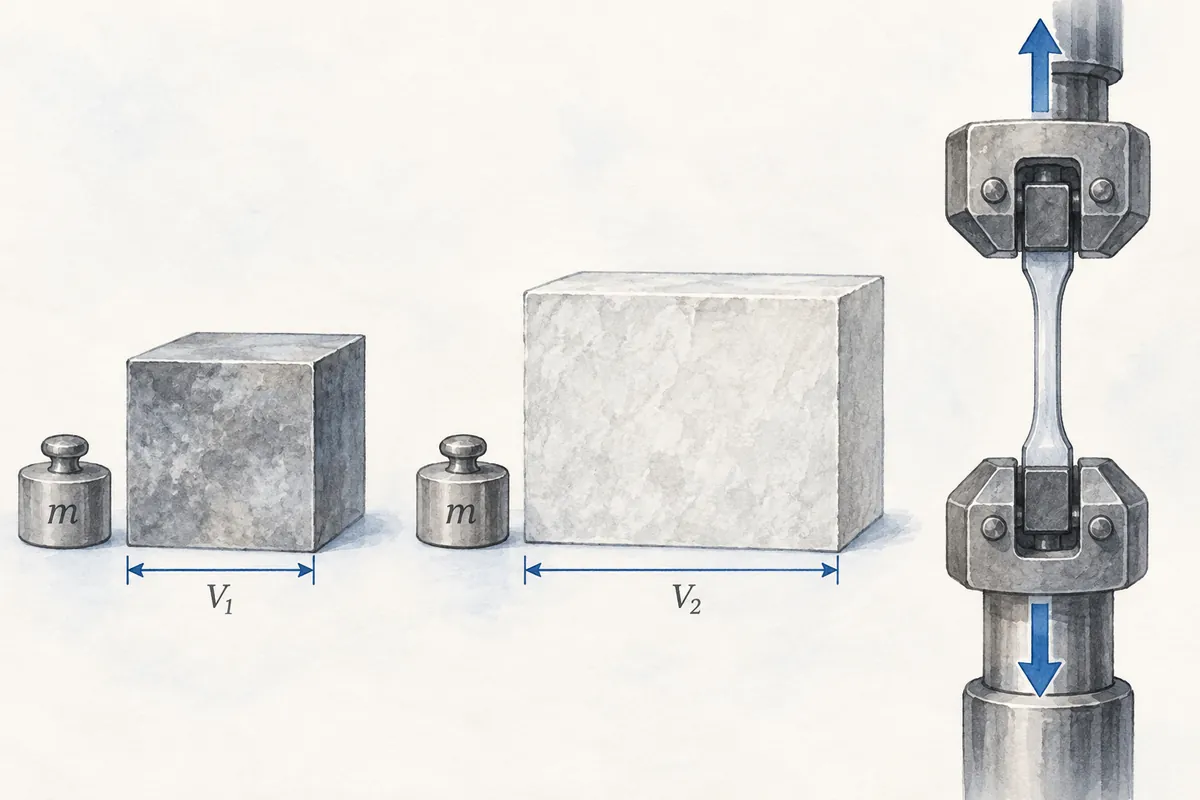
What Is Specific Strength? Meaning, Formula, Units, Calculation Examples, and Its Difference from Specific Stiffness
Specific strength is a material's strength divided by its density. It is used to compare how much load materials ca
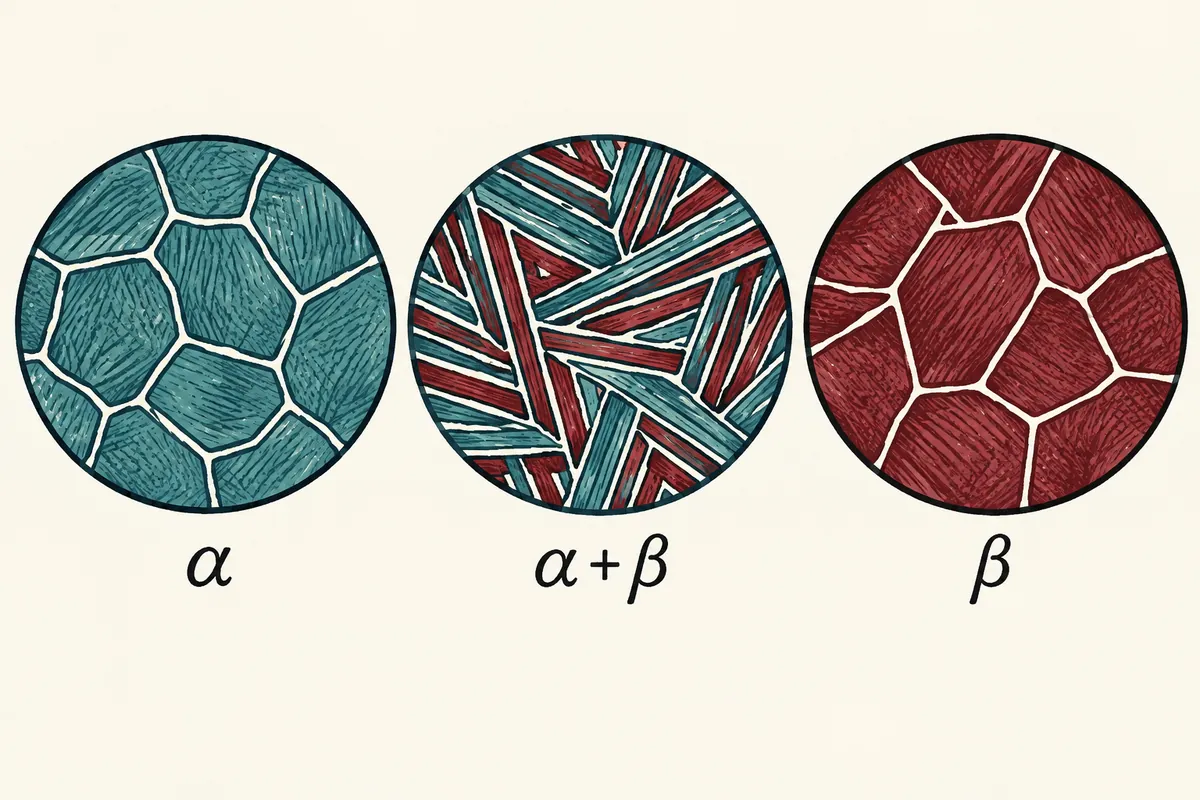
Types of Titanium Metals, Including the Metal Used in the iPhone 15 Pro
Hello. Today, we will take a closer look at titanium as a metallic material. In particular, we will discuss titaniu
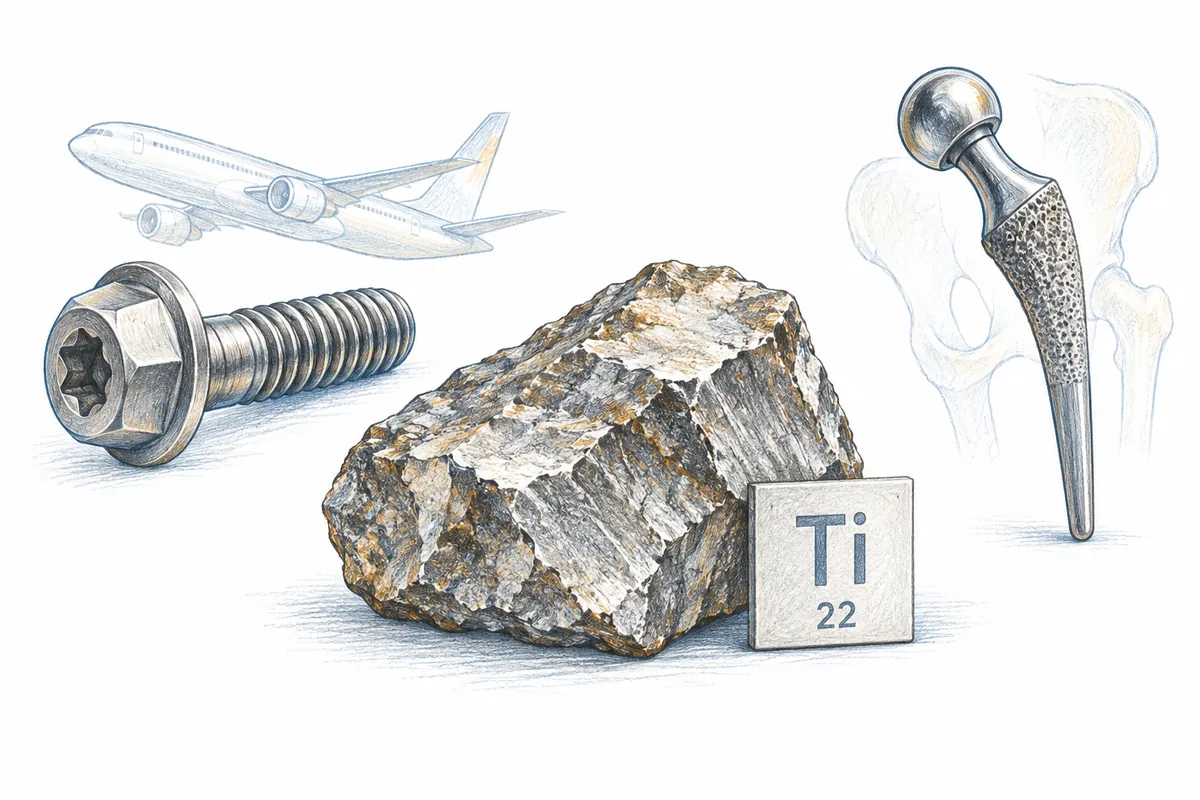
Properties of the Elements: Ti (Titanium)
The material we will examine today is titanium. It is used in the iPhone 15 Pro and appeared in the film Iron Man,
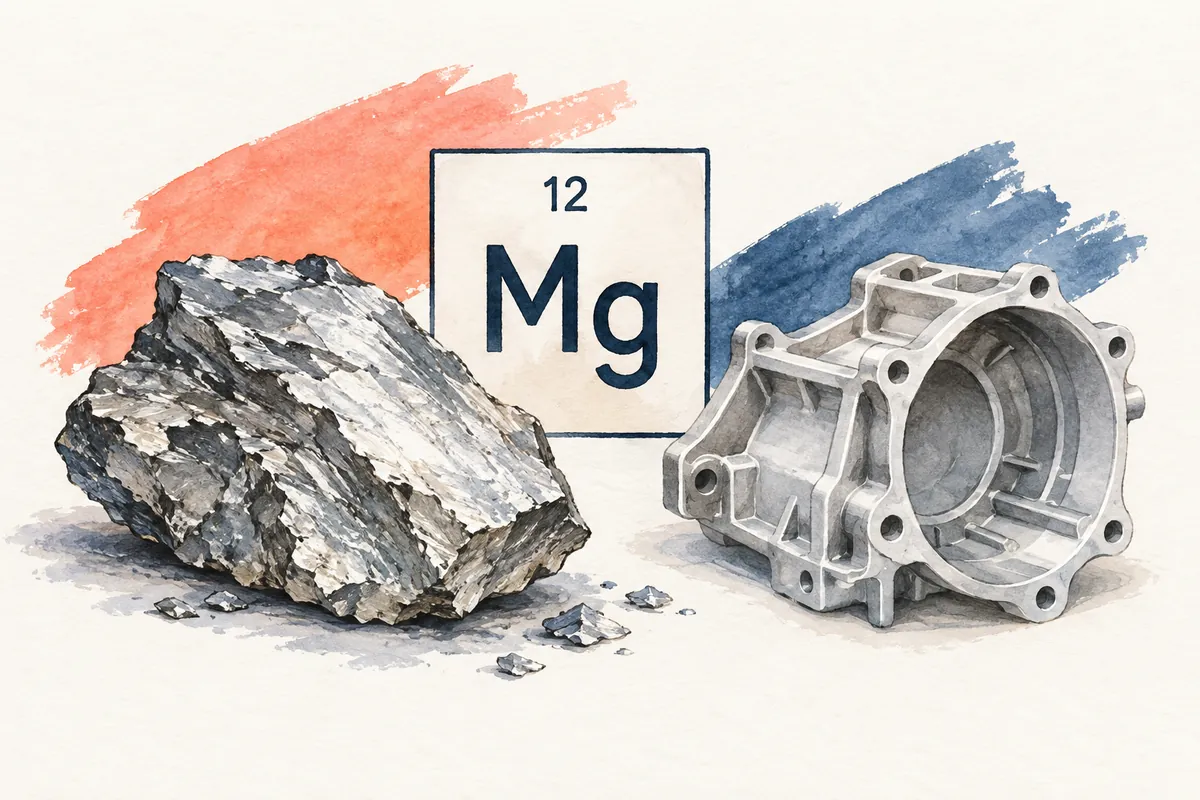
Properties of the Elements: Mg (Magnesium)
This post introduces general information about an element. The first element I would like to introduce is magnesium
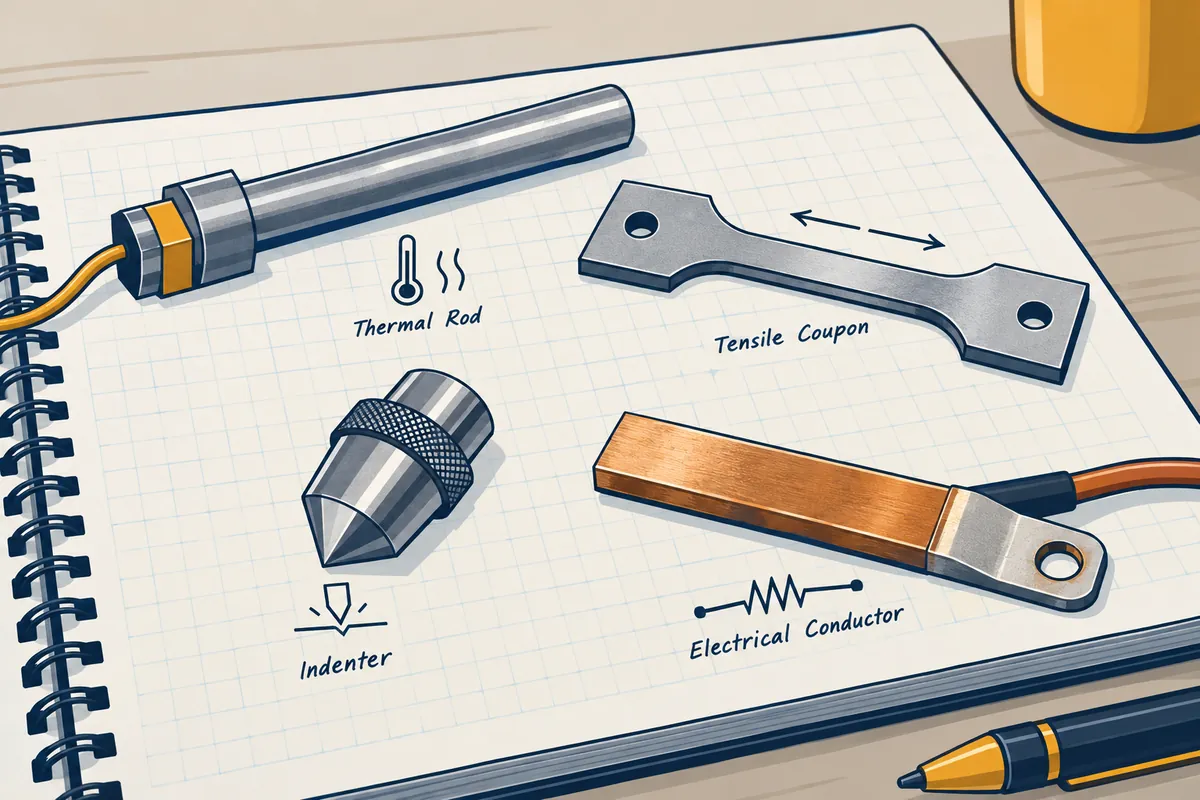
Metallic Materials: Properties and Related Terminology
Today, we will examine the properties of metallic materials. Metals have various physical, mechanical, chemical, an

Properties and Classification of Metals
Metals have various properties, , and these properties determine their usefulness. . Their main properties are as f
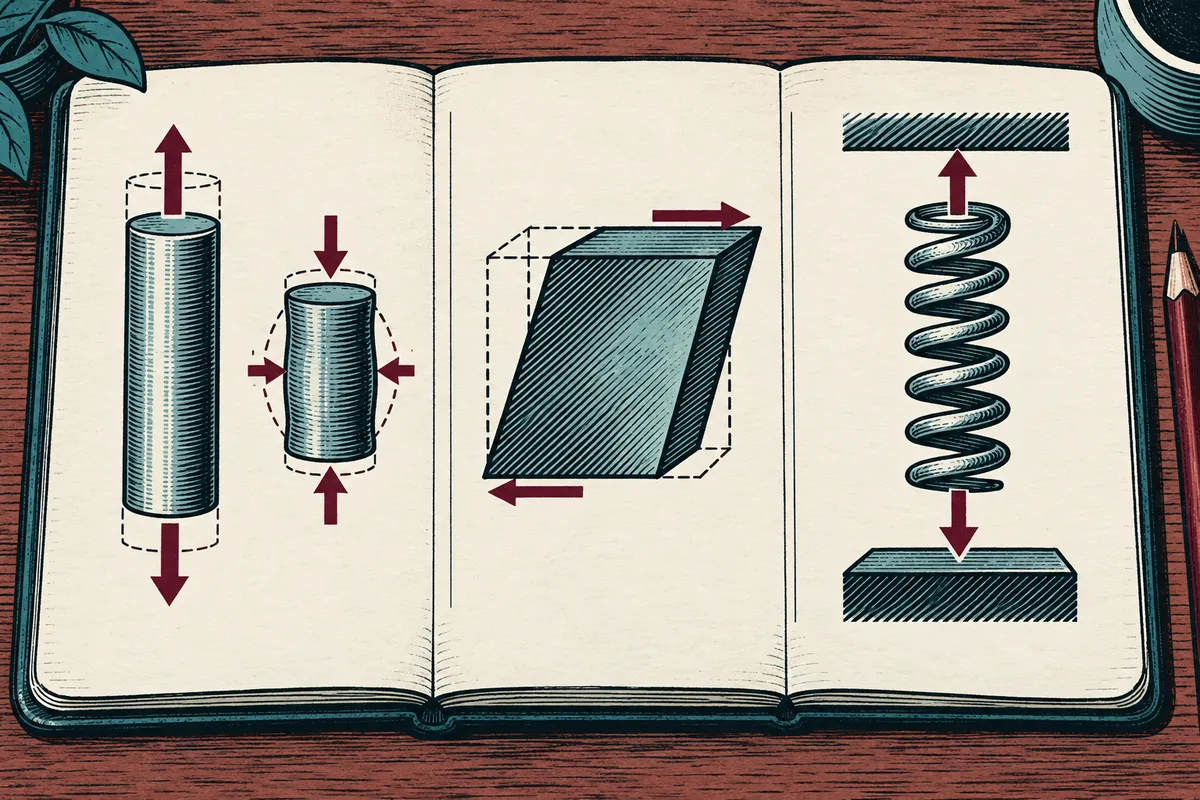
Materials Engineering Terminology: A Glossary Focused on Original Terms
Today, I have compiled a glossary focused on terms frequently used in materials engineering. Original concept illus