Stress and Strain
This article was translated from its source language with AI assistance. Please check technical terms and equations against the original.
- Internal force: The resisting force that, together with deformation, develops when an external force is applied to a body and balances that external force.
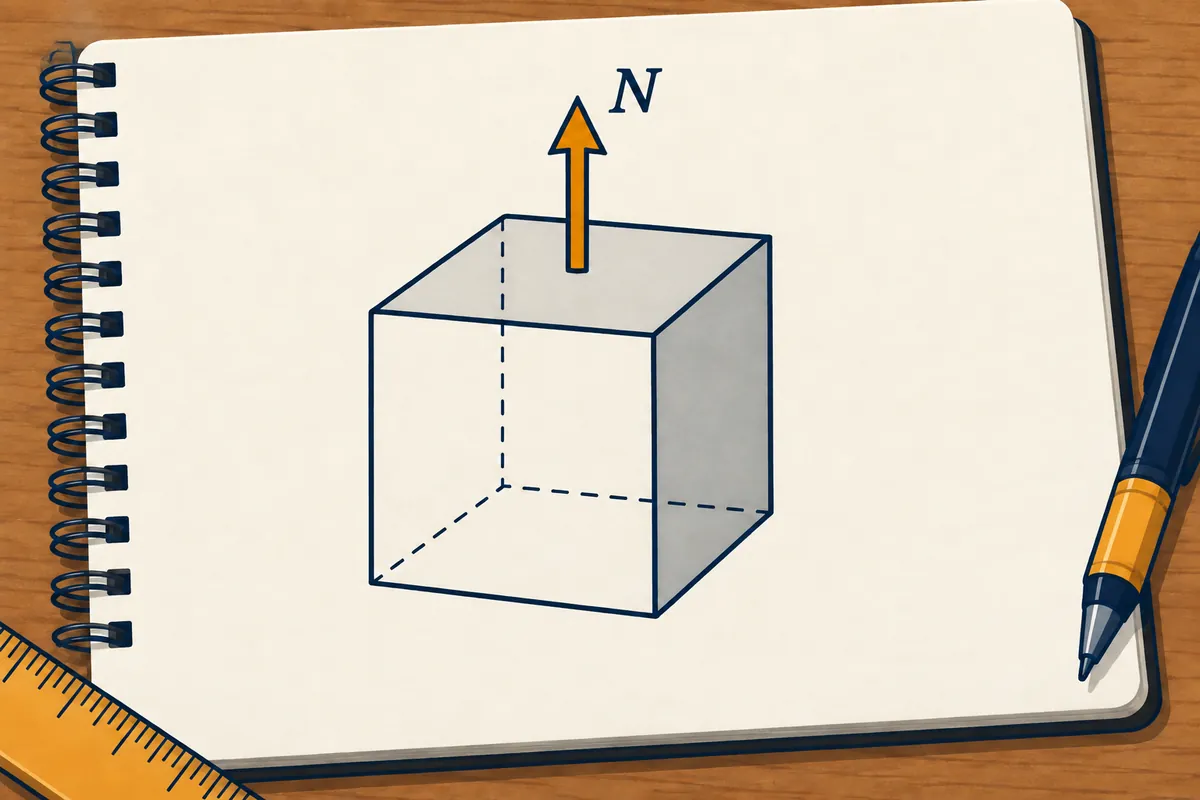
- Stress: The magnitude of internal force per unit area.
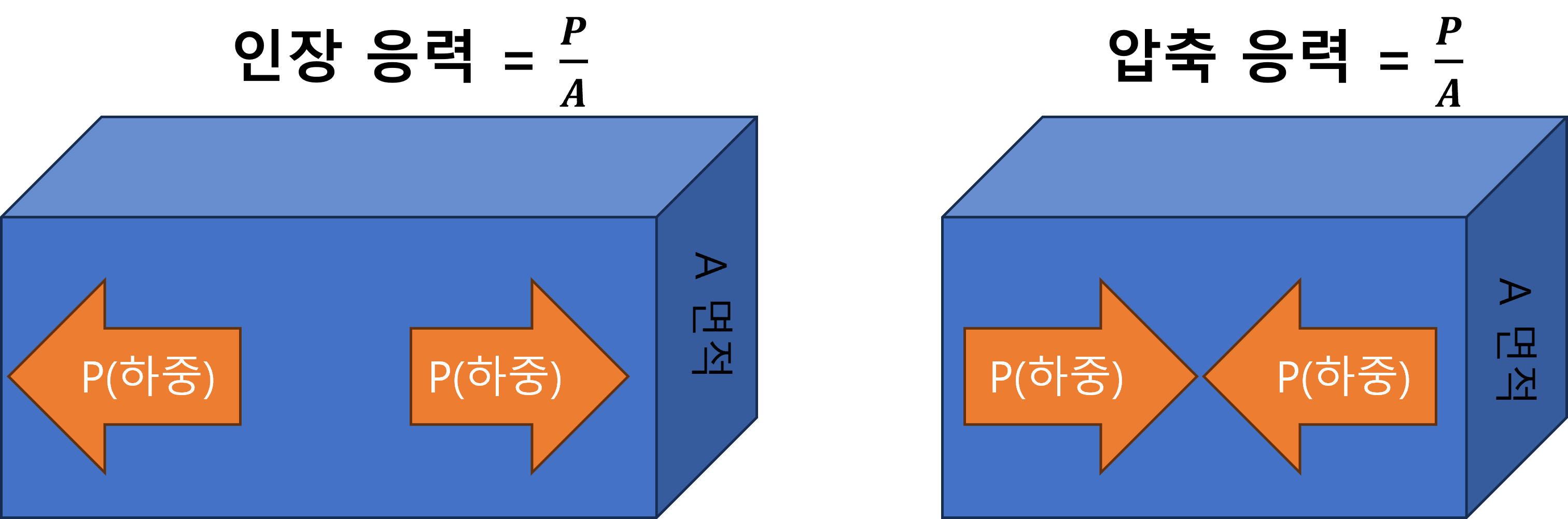
1. Normal stress (= axial stress): Stress acting perpendicular to a material surface.
A. Formula:Normal stress = load, internal force, or external force / cross-sectional area = P/A [Pa(N/m^2), MPa(N/mm^2)]
[1000000Pa = 1000KPa =1MPa]
B. When tensile stress makes a specimen elongate: Generally marked +.
C. When compressive stress makes a specimen shorten: Generally marked -.
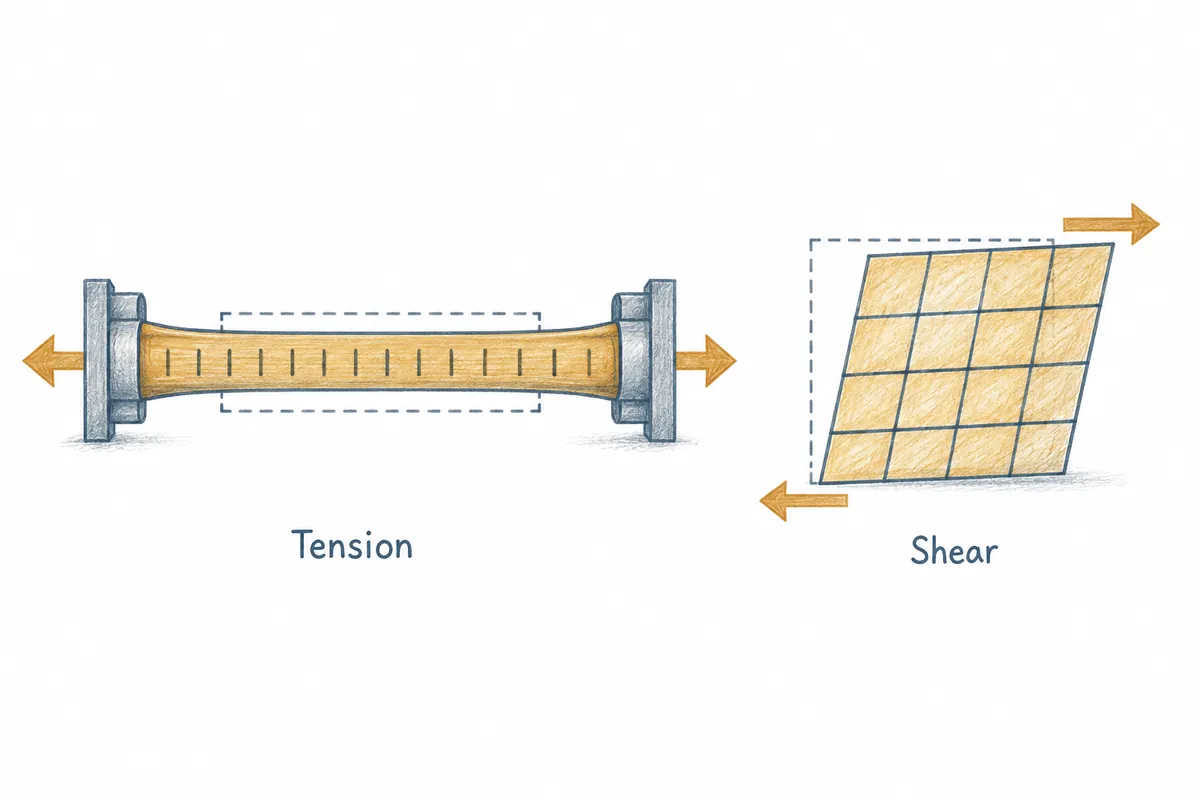
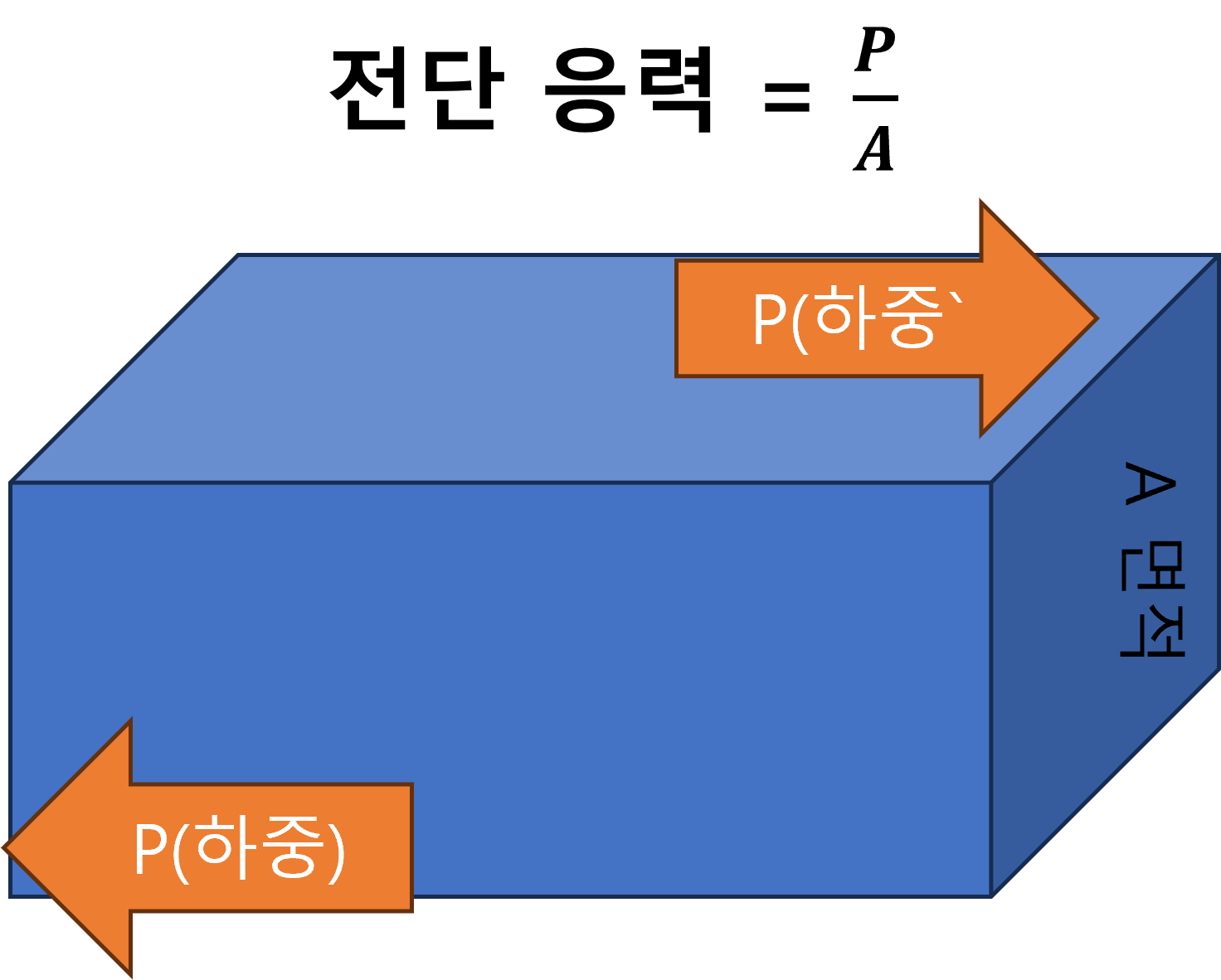
2. Shear stress: Stress acting tangentially along a cross section.
A. Formula:Tau = τ = P/A[Pa(N/m^2), MPa(N/mm^2)]
- Strain: The relative deformation of a material caused by a load.
1. Longitudinal strain: Strain occurring in the longitudinal direction under a longitudinal load.
A. Formula:ε = (l'-l)/l = λ/l
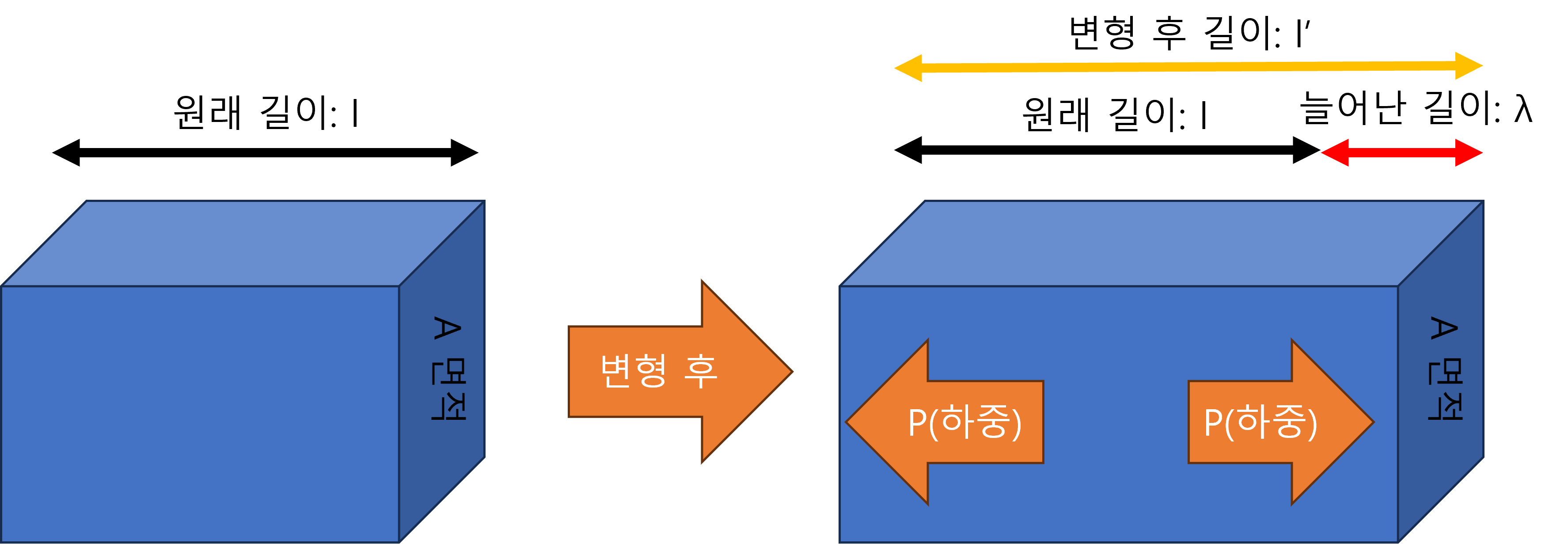
2. Transverse strain (compressive strain): Strain occurring in the transverse direction under a longitudinal load.
A. Formula: ε' = (d'-d)/d = δ/l (where d' is the contracted length and d is the transverse length)
3. Shear strain: The strain of a body when it deforms under the influence of shear stress.
Original illustrations created to help explain this article.
Original on Tistory ↗