Is It Really Easier to Wake Up After Sleeping in 90-Minute Intervals?
This article was translated from its source language with AI assistance. Please check technical terms and equations against the original.
Sleep information, YouTube videos, and blog posts often say, “Sleep has REM, ordinary, and deep stages that repeat, and this cycle recurs about every 90 minutes.” Waking during lighter sleep intuitively seems easier, but is that true? Does waking then improve sleep quality? I was curious, so I looked up a paper.
First, the paper I found came from the following source.
Seung-Il Cho, Minami Tsuchiya, Atsushi Tanaka, Muneki Yasuda, Tomochika Harada, and Michio Yokoyama. "The association between the subjective quality of sleep and the phase of a 90-minute periodic signal for the wake-up support system." Nonlinear Theory and Its Applications, IEICE, vol. 12, no. 3, pp. 464–474, 2021. DOI: 10.1587/nolta.12.464
Now I will begin reviewing this paper in a way ordinary readers can understand.
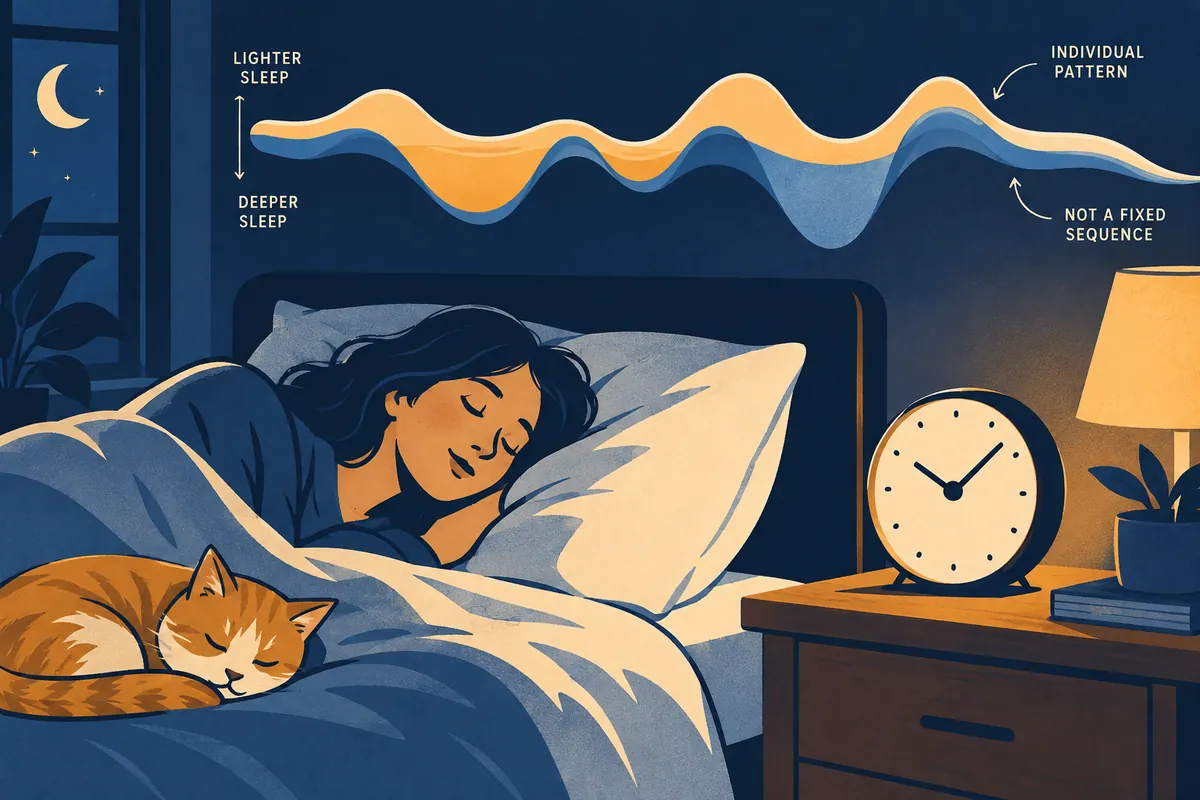
The 90-Minute Periodic Signal (90-MPS) and Sleep Quality
The 90-minute periodic signal (90-MPS) is a physiological signal reflecting autonomic nervous-system activity during sleep. Our bodies continue working while asleep, with activity strengthening and weakening approximately every 90 minutes. This regular rhythm plays an important role in assessing sleep quality.
Why Sleep Quality Matters
Sleep is more than rest; its quality greatly affects daytime concentration, mood, and health. Deep, comfortable sleep is needed, and 90-MPS is an important indicator for assessing it.
Research Methods
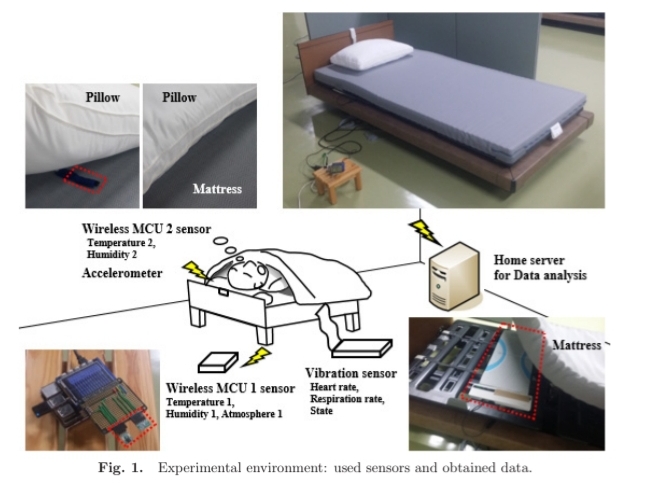
The researchers measure physiological signals such as heart rate, breathing, and movement during sleep in several participants. They analyze individual 90-MPS, focusing on its phase at awakening. Like hands moving around a clock, where the hand points on waking affects sleep quality.
Results
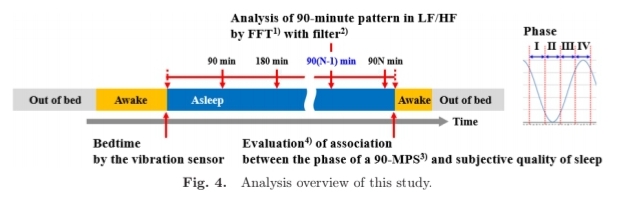
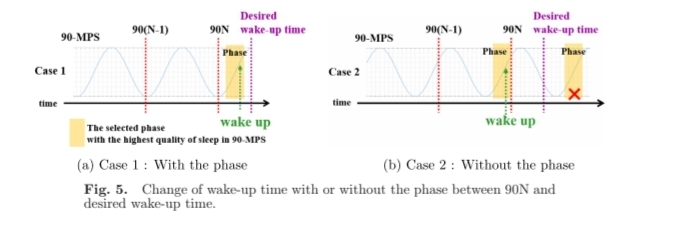
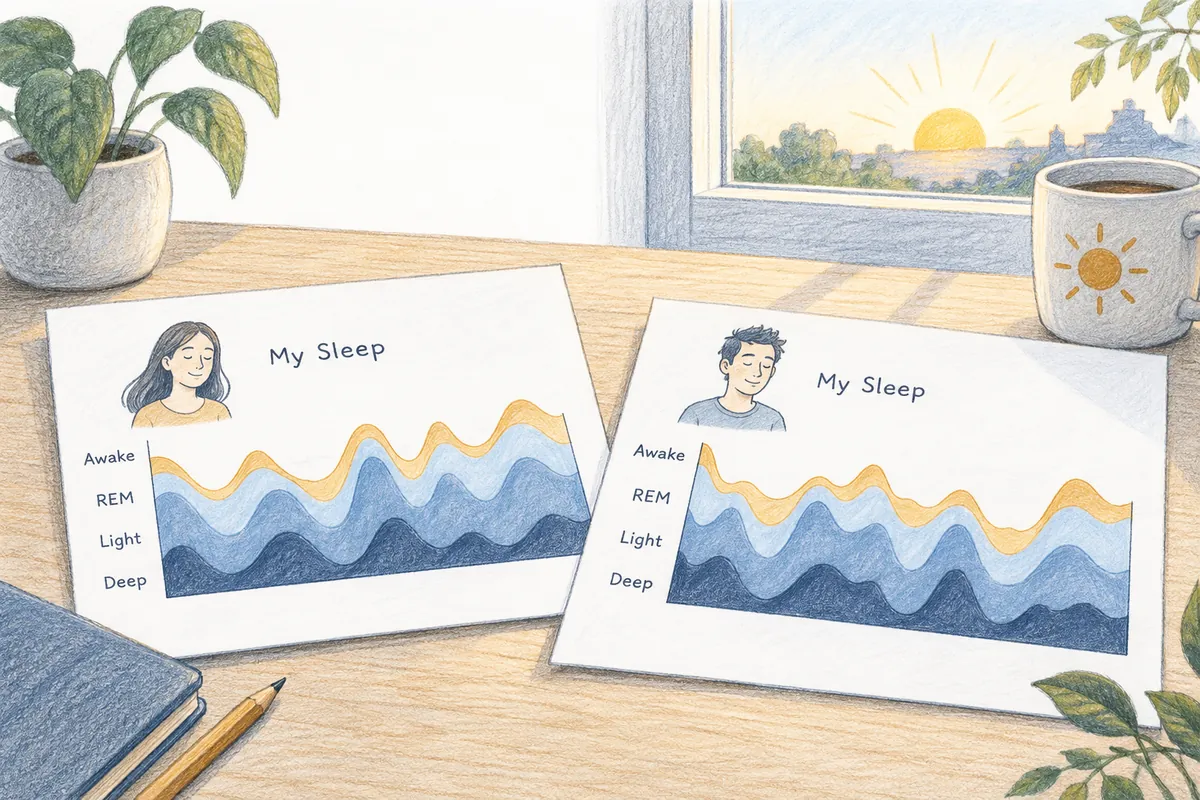
The research finds a close relationship between the 90-MPS phase at awakening and sleep quality. Participants particularly feel more refreshed when waking in its rising phase (III); they report feeling less refreshed in other phases.
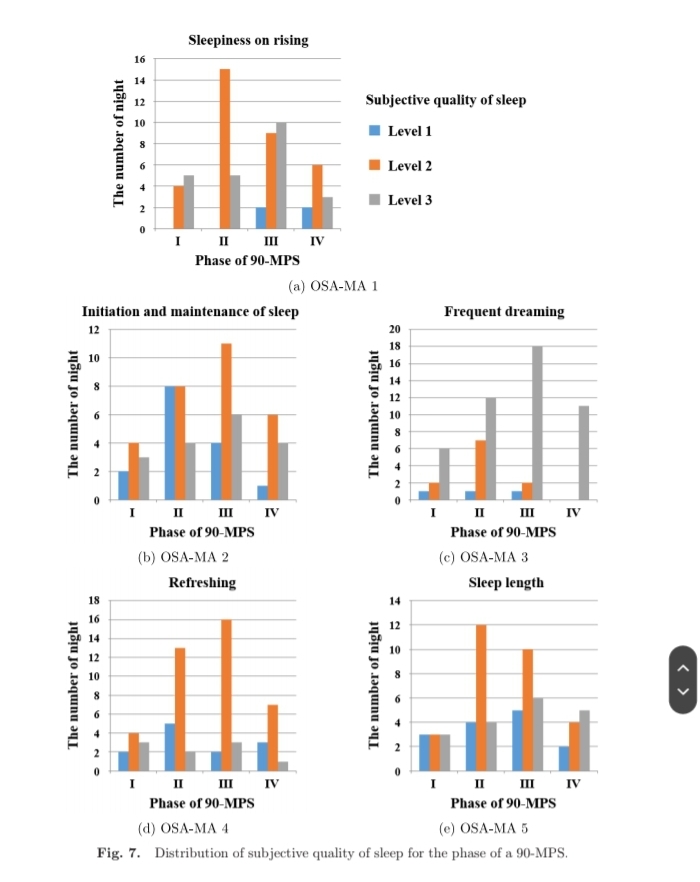
Possible Applications
These results have substantial potential for sleep-improvement technology. Wearables such as smartwatches could measure individual 90-MPS in real time and set alarms to wake users in phase III, helping improve sleep quality and begin a more energetic day.
Conclusion
I found that 90-minute sleep cycles may indeed help improve sleep quality.
Original illustrations created to help explain this article.
Original on Tistory ↗