Mechanics of Materials (Solid Mechanics): What Is Strain?
This article was translated from its source language with AI assistance. Please check technical terms and equations against the original.
Hello. Stress and strain are commonly used to assess mechanical material properties. We covered stress previously; today we will examine strain.
Strain
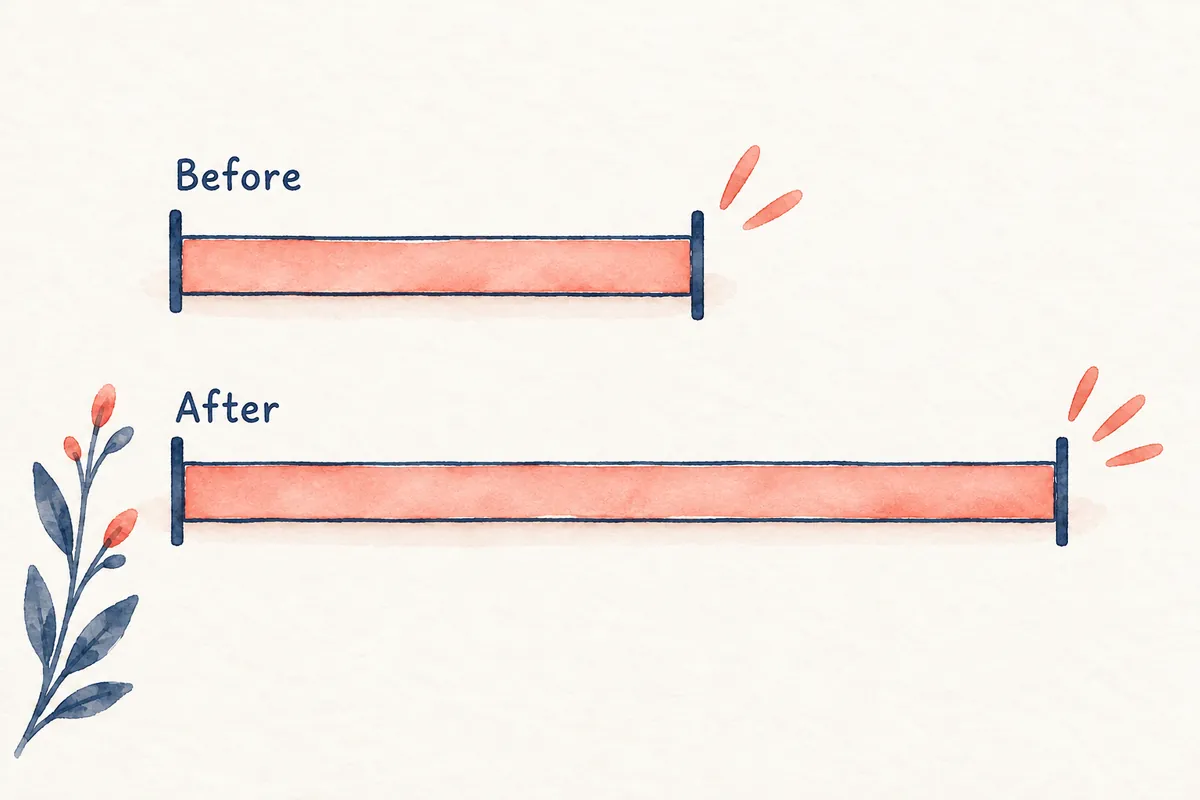
A straight bar changes length in tension or compression.. Tension lengthens it,, while compression shortens it..
For example, a rubber band stretches when pulled and shortens when compressed. The amount of extension or shortening relative to original length is strain.
Strain Formula
Strain is also called extension per unit length, and uses the Greek letter ε (epsilon)..
Generally, if total length after applying force is 'L' and extension is 'd', strain is expressed as follows.:
ε = d/L
Under tension,, this is tensile strain,, representing stretching or elongation.. Under compression,, it is compressive strain and the bar shortens.. Tensile strain is generally positive, and compressive strain negative.. Strain εis also called normal strain, and relates to normal stress..

As a ratio of two lengths, normal strain, is dimensionless, without units.. It is therefore numerical regardless of unit system. It may be expressed as a percentage but has no SI unit.
Strains are generally very small. because structural-material bars change length only slightly..
For example,, 4.0m a steel bar of the stated length under substantial tension, may extend by 2.8mmthe stated amount.. Its strain is therefore:
ε = 2.8mm / 4.0m = 0.0007 or 700 × 10^-6 or 0.07%
Strain thus measures and expresses changes in material length. That concludes this post. Thank you.
Original illustrations created to help explain this article.
Original on Tistory ↗