Exploring University Majors 002: Electronic Engineering
This article was translated from its source language with AI assistance. Please check technical terms and equations against the original.
What Is Electronic Engineering?

Electronic engineering is a branch of engineering concerned with the design, analysis, and application of analog and digital circuits. It includes all processes and technologies that use electricity to transfer energy and process information. Advances in electronic technology play an essential role in many industries and technologies in modern society, serving as a key driver of industrial innovation.

What You Study in Electronic Engineering: Courses
As an electronic engineering student, you will study a broad range of subjects, from electromagnetics and circuit theory to microprocessor systems and digital signal processing. The following list briefly introduces the major courses:
1. Circuit Theory: Develop an understanding of how basic electrical and electronic circuits operate and the ability to design them.
2. Electromagnetics: Understand the interaction between electrical and magnetic phenomena and apply it to designing electronic devices and systems.
3. Signals and Systems: Analyze signals in the time and frequency domains and apply the principles of communication and control systems.
4. Digital Logic Design: Learn how to design the digital circuits that form the basis of microprocessors and computer systems.
5. Microprocessors: Develop practical problem-solving skills through the operating principles and programming of microcontrollers and microprocessors.
6. Communication Systems: Learn the methods and principles of transmitting information using electromagnetic waves and apply them to designing communication networks.
7. Digital Signal Processing: Learn how to convert, process, and analyze signals in digital form to improve the quality of various media, such as audio and video.
These courses cover every aspect of electronic engineering, from fundamental theory to practical applications, providing students with both theoretical knowledge and practical experience.
Career Paths After Graduating in Electronic Engineering
After graduating in electronic engineering, you can build a career in various specialist fields. You might work as a design engineer at a semiconductor company, a network systems engineer in telecommunications, or a product design engineer developing consumer electronics. Major examples include:
1. Circuit Design Engineer: Design the electronic circuits at the heart of various electronic products.
2. Product Development Engineer: Develop and test new electronic devices or products.
3. Systems Engineer: Manage the integration of computer systems, communication systems, or other complex electronic systems.
4. Project Manager: Manage electronic engineering projects, lead teams, and establish strategies for completing projects successfully.
5. Research and Development (R&D): Participate in research to develop new technologies or improve existing ones.
6. Educator or Researcher: Remain in academia to educate future generations or devote yourself to research in science and technology.
In today's rapidly changing technological environment, electronic engineering is a creative and exciting field requiring continuous learning, experimentation, and innovation. As an electronic engineering student, you will face the challenges of the future with a deep understanding of the discipline underpinning modern technology.
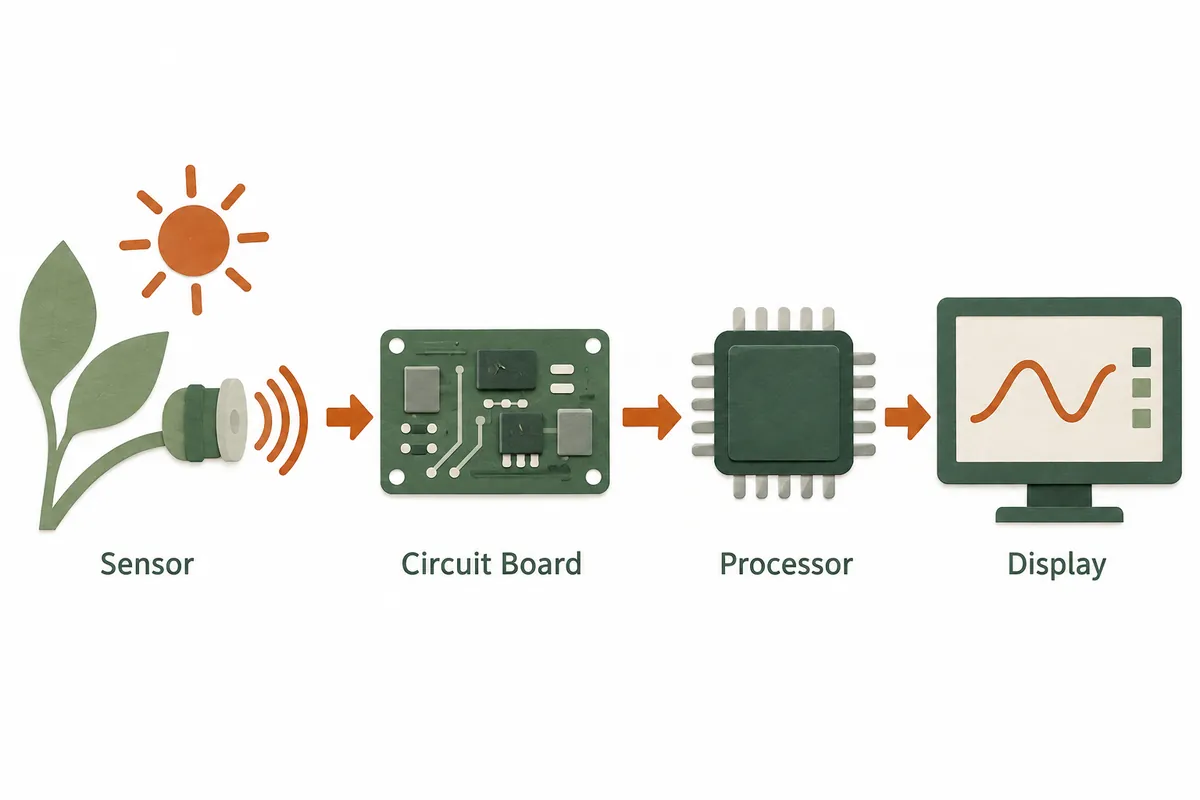
Original illustrations created to help explain this article.
Original on Tistory ↗